Commercial Roof Replacement After Structural Distortion
When a commercial roof starts acting wrong, most people first notice the symptoms, not the cause. A few days after heavy wind, a burst pipe, or a fire event, the roof may look “off” from the ground. Then the interior tells the rest of the story, with ceiling tiles sagging, damp insulation showing up in corridors, or recurring Roof leak repair calls that never quite go away.
Structural distortion is a special category of problem because it changes what “repair” even means. A membrane or a metal panel can be installed to last, but if the structure underneath has shifted, the roof system may be forced to stretch, wrinkle, or pull away from details. In that situation, a Commercial roof replacement is often less about preference and more about engineering reality, followed by a careful scope of work.
Distortion is different from “wear and tear”
Roof repair and Roof replacement decisions usually start with condition. Many contractors use a practical rule of thumb: small, isolated problems can often be repaired, while older roofs, widespread damage, recurring leaks, or multiple trouble spots may justify replacement.
Structural distortion flips the usual math. Even if the roofing surface looks repairable, distortion can create movement where there should be none. That movement can undermine seams, flashings, penetrations, and edges. IBHS guidance on roof evaluation after events emphasizes that properly designed, installed, and maintained roofs can reduce damage from hazards like wind, rain, hail, ice, snow, and fire, and that post-event evaluation can identify situations where repair is preferable to full replacement. The key is evaluation based on what the roof system has actually been asked to do after the event, not just what it looks like on a calm day.
If the roof deck has warped, if the building has shifted, or if loads have changed due to fire or impact, you are no longer dealing with a simple Roof Repair scenario. You are dealing with an installed assembly under stress. In those cases, Commercial roof installation choices, flashing design, and fastening patterns matter, but the bigger driver is whether the substrate is stable enough to support a long-term solution.
Why “repair” can fail when the structure is moving
A roof system is a set of connected parts: cover material, underlayment, insulation (often on low-slope buildings), fasteners or adhesives, and the details that keep water from finding a path inside. When the building structure distorts, those parts can end up working against each other.
Here is what that typically looks like in the real world:
- The building settles unevenly after an event, so the roof plane is no longer consistent.
- Water doesn’t just find the “old leak spot” anymore, it finds new low points.
- Flashings and transitions get stressed at corners, curbs, and wall ties.
- Penetrations that were watertight during original installation start to leak because the stress concentrates at those points.
That is why the decision framework has to include more than “is the membrane torn.” IBHS notes that fire, hail, wind, and structural distortion can change whether repair is feasible. In other words, even when a contractor can physically patch a damaged area, the long-term performance may not be reliable if the roof system is being forced to accommodate ongoing movement.
Emergency roof response: protect the building first
Distortion events are stressful because they tend to escalate quickly. Water intrusion accelerates building damage, and interior conditions can deteriorate faster than the roof surface changes.
A roof contractor typically handles Emergency Roof Repair, Roof inspection, and Roof leak repair, but the initial steps have to be about containment. Manufacturers and industry education also stress that homeowners or facility managers should use a professional contractor to decide whether repair or replacement is best, which starts with a proper inspection.
If you are facing immediate risk after an event, the most helpful approach is to stabilize the situation while the investigation happens. In practice, that means acting quickly but not rushing decisions based on what a temporary patch can hide.
- Secure the area below and limit access where ceilings or bulk insulation may be compromised
- Tarp or cover exposed roofing only as a short-term measure, coordinated by the contractor
- Document visible damage with photos before any close-up work begins
- Protect electrical and mechanical equipment from active water intrusion
- Arrange a Commercial Roof Installation contractor for an on-site Roof Inspection as soon as feasible
That list is short on purpose, because the details of what is safe to do can vary by building type, occupancy, and roof configuration. The goal is to reduce damage while you gather the evidence needed for a defensible repair or replacement decision.
The inspection that matters after distortion
A Roof inspection after structural distortion should answer two questions at the same time:
- What is damaged on the roof surface and at the roof system details?
- Is the substrate stable enough that a repaired or replacement roof will stay watertight?
You can have a roof surface that looks “pretty good” and still have major problems because distortion can affect geometry, drainage patterns, and the behavior of joints and penetrations. Conversely, you can see obvious surface damage and still determine that repair is reasonable if the structure is stable and the damage is isolated.
IBHS guidance on roof evaluation after hazards underscores that post-event evaluation can guide whether repair or replacement is preferable. The difference here is that structural distortion makes that evaluation more consequential. A roof can be repaired, but if the deck or support system is actively deforming, the repaired roof is forced to keep absorbing movement.
When replacement becomes the safer decision
There is no one universal trigger, but the reasoning tends to rhyme across projects. Replacement becomes more likely when the roof system is no longer a single damaged spot, but a broader condition that will keep reappearing.
The rule-of-thumb framework mentioned in roof education is a useful guide here: older roofs, widespread damage, recurring leaks, or multiple trouble spots can justify replacement. After distortion, those factors often appear together. You may see multiple areas of distress because the stress is distributed across a larger portion of the roof plane.
Also, Commercial roof replacement is a full assembly job. A typical replacement includes removing old roofing materials, installing new underlayment and roofing materials, replacing flashings and ridge caps, and cleaning up the site. Even if your building is not using ridge caps in the same way a pitched roof does, the underlying idea holds: you replace the system components and the detail interfaces, not just the top layer.
That matters in distortion scenarios because details fail first when geometry changes. Flashings, transitions, and penetrations are where water has the clearest path inside.
Materials and why the “right” system still needs stable structure
Commercial roofs vary widely, and the decision often includes options such as:
- TPO Roofing Installation
- EPDM Commercial Roofing
- Modified Bitumen Roofing
- Commercial Metal Roofing
- PVC Roofing
- Flat Roof Installation and Repair (and repair/replacement workflows for low-slope systems)
Even with the right choice of membrane type or commercial metal roofing design, installation performance depends on stable support and properly executed details. Distortion introduces variables that no membrane can fully overcome.
A practical way to frame this for decision-makers is: material selection affects the roof system’s long-term resistance to weathering and water intrusion, but structural stability affects whether the roof system can remain aligned and continuously sealed. In a distortion event, the second part becomes the gating factor.
If the contractor determines that the structure is stable enough, then you can evaluate whether Commercial roof repair or Commercial roof replacement is the best plan. If the structure is unstable or the damage is widespread, replacement typically becomes the more reliable route.
The cost conversation: what “Roof Replacement cost” really depends on
Commercial roof replacement costs can feel unpredictable because the variables are real: roof size, material choice, and project complexity. One education example for asphalt shingle roof replacement cites an average 2023 roof replacement cost of $14,959, while emphasizing the actual cost varies by roof size, materials, and complexity.
Even though that example is residential-oriented, the takeaway for commercial decision-making is the same. You are not paying for “a roof covering” alone. You are paying for a system change, including tear-off of existing materials, new underlayment where appropriate, new details, and cleanup.
After structural distortion, complexity often increases because the project scope may need to include additional time for investigation, careful sequencing, and more extensive detail work at penetrations and edges. The contractor’s Roof inspection findings should drive the scope, and the scope should drive the numbers.
If you are shopping quotes, a helpful question is not only “what is the total price,” but “what parts of the roof system are included,” and “how much of the roof work is dedicated to restoring watertight performance at details.” A lower bid that only covers visible membrane damage can become more expensive if leaks recur.
Fire damage roof replacement and distortion: watch the interfaces
Fire damage can cause both material loss and structural impacts. Even when the roof surface looks salvageable at a distance, heat can change performance in ways that are hard to see during a casual walk-through.
IBHS guidance notes that fire can be a hazard that changes whether repair is preferable to full replacement, and it includes evaluation concepts for roof performance after events. In practice, that means a Roof replacement after fire damage may be required professional slate roof repair even if the roof covering seems intact, because the assembly may have lost resilience or the supporting structure may have been affected.
Distortion after fire is particularly important around penetrations, curbs, and transitions. Those are the spots where the roof system interfaces must remain sealed and aligned, and those are also the areas most likely to experience stress concentration during structural movement.
Roof replacement after leak: the hidden reason the leak keeps coming back
A recurring Roof leak repair problem after distortion is one of the most frustrating experiences for a building manager. It can start as “a small leak in a corner,” then becomes “water always shows up after storms,” and then becomes “we can’t pinpoint where it begins.”
Owen’s Corning’s roof education rule of thumb offers a useful interpretation: recurring leaks and multiple trouble spots can justify replacement. After structural distortion, the recurring aspect is often a clue that the roof system is not in stable geometry. Water may be traveling differently each time due to changing load conditions, precipitation patterns, or thermal movement.
A contractor’s inspection should therefore examine drainage behavior and the condition of details across a wider area than the interior leak location suggests. Sometimes the source is not directly above the water stain, and sometimes the source has been shifted by distortion.
If the building continues to distort, the “best” leak patch can become obsolete. That is why repair decisions should be made only after the project team understands both the roof damage and the structural status.
A focused decision process you can demand from your contractor
You should expect a professional contractor to decide whether repair or replacement is best, and the decision should be grounded in evaluation rather than a quick estimate.
After structural distortion, the most defensible process tends to look like this: inspect, document, assess substrate stability, assess the roof system’s ability to stay watertight under current conditions, then choose a scope that matches the identified risks.
Here are the factors that typically carry the most weight in distortion situations:
- Evidence of widespread damage rather than a single isolated spot
- Signs of recurring leaks that suggest systemic performance issues
- Indications the structure or roof plane is distorted enough to stress details
- Condition of underlayment and flashings, not just the top membrane
- Whether the roof system can be installed to remain aligned and continuously sealed
This is also where material expertise helps. Whether you are considering EPDM Commercial Roofing, TPO Roofing Installation, Modified Bitumen Roofing, or Commercial Metal Roofing, your contractor should connect the material choice to the installation conditions and the required detail work.
What replacement actually includes in scope terms
A typical roof replacement includes removing old roofing materials, installing new underlayment and roofing materials, replacing flashings, and cleaning up the site. Even when a specific commercial roof assembly differs from a pitched roof breakdown, the scope logic is consistent.
In a distortion-driven replacement, it is smart to expect additional attention to:
- Detail interfaces where movement concentrates
- Roof penetrations and transition points
- Edge conditions where water can track under layers
A roof is not watertight because the surface is intact. It is watertight because every interface remains sealed through rain events, temperature cycling, and normal building movement.
If the contractor can show you what was removed, what will be replaced, and why each replacement item addresses a distortion-related risk, you will have a clearer path to a confident decision.
Trade-offs: why replacement may cost more now but reduce risk later
There is a business case for speed and a business case for prevention. After distortion, temporary repair can stop active leaks, but it may not solve the underlying mechanism that created the leaks in the first place.
Repair can be the right call when the damage is isolated and the structure is stable. Replacement can be the right call when the scope expands beyond isolated patches, when leaks recur, or when structural distortion undermines long-term reliability.
This is where judgment matters. A careful contractor will often explain the uncertainty range: what they can see now, what they expect to find in the roof assembly during removal, and what would make repair less viable. Because distortion can be complex, the most professional conversations include both what is known and what is revealed only when the roof layers come off.
Budgeting for roof replacement after distortion
Facilities teams often underestimate how hard it is to plan financially for a distortion-related replacement. Not just because the Roof replacement cost varies, but because the work may overlap with other needs after an event, like restoration of interior spaces.
One way to keep the project budget honest is to insist on a scope that reflects the inspection findings. If multiple trouble spots are identified, or if recurring leaks are documented, the contractor should not treat the job like a single Roof repair patch.
For decision-making reference, the roof education example for asphalt shingle roof replacement cites an average 2023 cost of $14,959, while emphasizing variability by roof size, materials, and complexity. For a commercial building, your numbers will differ, but that guidance reinforces a key planning principle: complexity drives cost.
Also remember that roof life is not endless. Owens Corning’s education notes that an asphalt shingle roof generally lasts about 20 to 30 years, and architectural shingles are a premium laminated type of asphalt shingle. Those details are residential-oriented, but the practical lesson carries over: older assemblies, combined with event-driven distortion, are more likely to reach a replacement decision point.
Communicating with stakeholders without oversimplifying
Commercial roof replacement after structural distortion involves more than the roof team. You often need buy-in from property managers, operations, insurance representatives, and sometimes lenders or corporate stakeholders.
The most effective explanation usually avoids vague reassurance. It uses clear causality: distortion changes roof geometry, geometry stresses details, details fail, water follows those failures. Then it connects that to action: inspection results inform whether Roof Repair, Emergency Roof Repair, or Commercial roof replacement is the right scope.
If you are working with multiple quotes, focus on the reasoning, not only the price. The best bids are transparent about what is included, what assumptions are being made, and how the contractor plans to verify performance rather than only cover a visible defect.
Getting the replacement right the first time
After a distortion event, the worst outcome is a replacement that technically “finishes” but fails early due to preventable detail problems. The fix is not only choosing a membrane or system type, it is executing installation properly in the context of the roof’s post-event condition.
A stable structure plus correct installation is the combination that makes roofs perform as intended. IBHS guidance repeatedly returns to that theme: properly designed, installed, and maintained roofs can reduce damage from hazards, and evaluation after events helps identify whether repair or replacement is preferable.
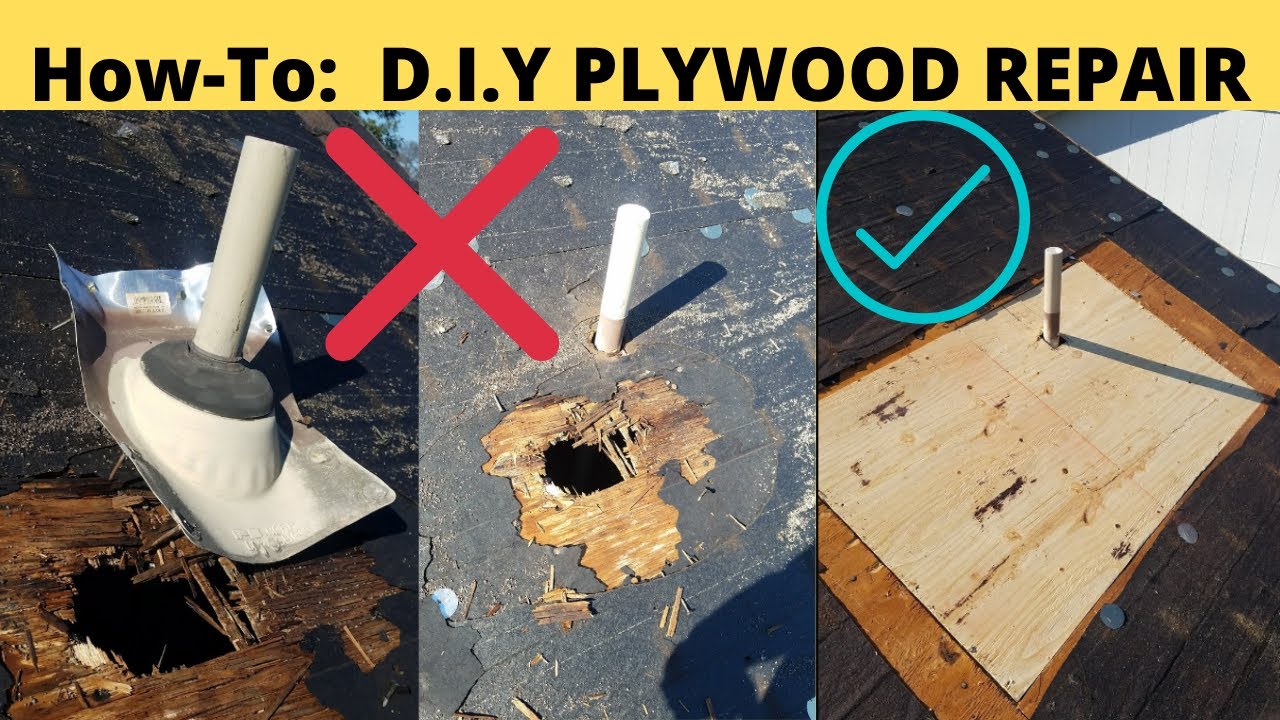
That is why an experienced contractor should treat Commercial roof replacement after structural distortion as a reconstruction of performance, not a cosmetic refresh. The roof system has to function in the building’s current geometry and movement reality.
What to ask before signing the work order
You do not have to be a roof expert to ask the right questions. You do need questions that force the contractor to show their work, and that tie back to your risk.
Here are five direct questions that usually get to the heart of distortion-related uncertainty:
- What specific damage areas will be removed, and what will be replaced as part of restoring the full roof system?
- What did the Roof inspection find about the roof plane, substrate condition, or evidence of stress at details?
- Based on your evaluation, why is Commercial roof replacement preferred over Roof Repair for this building?
- Which roof system components, including Flashings and interfaces, are included in the replacement scope?
- What expectations do you have for leak prevention, given the presence or absence of ongoing structural movement?
A contractor who can answer these clearly is typically thinking like a designer, not just a patch crew. That difference matters most when distortion is on the table.
The bottom line for distortion events
Structural distortion changes the decision landscape. It can turn a manageable Roofing leak repair problem into a systemic water intrusion risk, even when parts of the existing roof appear intact.
When damage is widespread, when leaks recur, or when distortion makes reliable repair unlikely, Commercial roof replacement becomes the most defensible option. When distortion is limited and the substrate is stable, repair can still be reasonable, but it should be based on evidence gathered during a real Roof inspection, not a quick walk-by.
If you are managing a facility after an event, your best move is to treat the roof as part of the building’s overall performance. The right inspection, the right scope, and the right installation approach are what turn an emergency response into a durable solution, whether you ultimately choose Roof Repair or Roof Replacement.