Roof Leak Repair: Stopping Water Intrusion
A roof leak is rarely just a leak. It is a chain reaction that starts with water finding a path, then accelerates through gravity, capillary action, wind pressure, and time. The first time you notice staining on a ceiling or water dripping in a hallway, the roof is already doing damage you cannot see. The goal of roof leak repair is not just to stop the visible drip. It is to stop water intrusion at the source, protect the materials around the leak, and make sure the fix holds through the next storm.
In residential work, a single wet spot can sometimes be repaired. In commercial roofing, a small failure at a detail can turn into an ongoing problem because low-slope systems and membrane transitions are unforgiving when water gets under an edge or around a penetration. Experienced contractors look at the whole roof system, not just the wet area, then decide whether roof repair is the right outcome or whether roof replacement is the smarter long-term move.
What “roof leak repair” really means
People often use “roof leak repair” as a catch-all phrase, but the work typically falls into two categories:
First is localized repair, when the damage is limited and the surrounding roof assembly is still in good condition. That might involve addressing a specific flashing failure, a damaged section around a vent, or a compromised seam or membrane area.
Second is broader repair or roof replacement when the roof has reached a point where repeated leaks or widespread wear suggest the underlying system no longer performs the way it should. The decision matters because water intrusion repairs can feel complete on day one, then fail later if the roof is already compromised in areas you cannot easily inspect from the attic or under a ceiling.
A practical rule of thumb many contractors follow is that small, isolated problems can often be repaired, while older roofs, widespread damage, recurring leaks, or multiple trouble spots may justify replacement. Manufacturers and industry guidance consistently steer homeowners and building owners toward professional assessment, because the right call depends on the roof age, the pattern of damage, and the details where the roof meets the rest of the building.
The first 24 hours: contain the water, don’t hide the evidence
When a leak shows up, you are balancing two priorities: reduce water damage now and avoid destroying the clues you need to find the source later. Contractors who do emergency roof repair work often see the same pattern after storms, when well-meaning cleanup removes the context that would have helped identify where the water actually entered.
Here’s how to handle the situation in a way that usually helps the eventual repair.
- If water is actively dripping, place a container where it can safely catch it. Use buckets or pans, and route water away from electrical components.
- If you can do so safely, document the leak location, including photos of ceiling stains, wet drywall, and any visible water trails in the attic or under roof decking.
- Avoid heavy demolition before the contractor inspects. Cutting open the ceiling can be necessary in severe cases, but it can also relocate or obscure the true entry point.
- If you have an attic, check for wet insulation patterns and water lines on roof decking. Do not assume the stain location matches the entry point.
- If weather is worsening, call for emergency roof repair so the roof can be temporarily stabilized. In many cases, preventing further intrusion is the fastest path to limiting the size of the eventual repair.
That documentation and preservation step is not busywork. Water often moves sideways before it falls, especially where insulation blocks direct paths. When the contractor arrives, your photos and notes can help narrow the search quickly, which saves time and reduces the chance of a fix that targets the wrong spot.
Finding the source: roof inspection is about patterns, not guessing
A credible roof inspection is methodical. It starts with the building conditions and works toward the roof surface. The contractor looks for patterns in water damage and correlates those with roof features that create pathways, like penetrations, transitions, edges, and penetrations around vents or plumbing stacks.
For homeowners, it often begins with the interior clues: the ceiling stain shape, any bubbling paint, wet insulation, and where the drywall has softened. Then it moves to the roof inspection, where the contractor checks under normal and storm conditions.
For commercial sites, the process is similar, but you also need to consider how low-slope systems behave. Wind-driven rain can push water under membrane edges, and ponding areas can concentrate stress over time. Fire, hail, wind, and structural distortion can also change repair feasibility, particularly when the system has suffered more than superficial damage. Even when visible surface damage looks limited, the assembly might still have compromised layers that only a thorough inspection reveals.
At the center of the inspection is judgment. A contractor is not only looking at what is wet, but what is likely to have failed structurally or mechanically: fasteners, seams, flashing, curb caps, pipe boots, drip edges, or membrane terminations. That’s why roofing professionals emphasize the roof as a system, not a collection of isolated patches.
Common leak entry points, especially around details
Roof leaks are often detail failures. Even when the field of the roof looks intact, the weak points tend to be at transitions where materials change, where water is directed, or where penetrations disrupt the surface.
From real job sites, the most frequent trouble areas tend to be predictable, and most show up repeatedly across different roof types.
Here are some of the most common leak sources contractors investigate during roof inspection:
- Flashing at chimneys, skylights, and roof-to-wall transitions
- Pipe boots and penetrations around plumbing vents or HVAC related equipment
- Damaged seams or membrane areas on flat roof installation and repair systems
- Edges and terminations where membranes meet coping, parapets, or roof curbs
- Areas around ridge caps, gable ends, and other roof geometry features on steep-slope systems
When you see water staining in an interior corner, it can still mean the water entered on the opposite slope and traveled within the structure. That is why a good contractor uses both interior and exterior observations to avoid “chasing the stain” without fixing the entry point.
Repair vs. Roof replacement: the decision that affects everything after
The hardest part of roof leak repair is knowing whether you should stop at repair or move to roof replacement. Both options can address water intrusion, but the long-term value changes with the roof’s age and condition.
A widely used rule of thumb is that smaller isolated issues often belong in the repair category. But if the roof is older, if there is widespread damage, if leaks keep recurring, or if there are multiple trouble spots, replacement becomes the more sensible path.
There is also an engineering reality to accept: once water gets under layers and causes deterioration, it can be hard to guarantee a repair will restore the full performance of the original assembly. The contractor has to consider the roof age, the number of failed locations, the extent of underlying damage, and whether the system has reached the point where new work will be chasing old problems.
For residential roof replacement decisions, asphalt shingle roofing is the most common scenario contractors handle. Asphalt shingles generally last about 20 to 30 years, which means many roof replacement projects happen when the roof is at or near the end of that window. If the shingles have aged, any repair might temporarily slow the leaks, while a full replacement addresses the full system.
For commercial roofing, the calculus includes the specific membrane system. Low-slope systems can include TPO roofing installation, EPDM commercial roofing, PVC roofing, modified bitumen roofing, and other assemblies. Replacement might be the right move when multiple penetrations and transitions have aged, when fire or hail affected more than just the top layer, or when structural distortion changes how water drains and how seams perform.
If you are wondering about roof replacement after a leak, that does not automatically mean the first contractor made a mistake. Sometimes the initial failure reveals a larger underlying condition, especially if the roof has been aging for years. Once you see multiple locations fail after the first noticeable leak, you often end up replacing rather than repeatedly repairing.
What typically happens during roof replacement work
When replacement is the answer, the process usually includes more than swapping shingles or unrolling membrane. A typical roof replacement includes removing old roofing materials, installing new underlayment and roofing materials, replacing flashings and ridge caps, and cleaning up the site.
Those steps matter for two reasons. First, if old materials are left behind, hidden failures can remain in place. Second, water performance depends heavily on the edges and transitions, which is why flashings and ridge caps get renewed as part of a complete roof replacement rather than patched over.
Residential and commercial projects share the same core philosophy: remove the compromised components and rebuild the assembly so it works as a system. In commercial roof replacement, that might mean reestablishing consistent membrane terminations and reworking details that used to be reliable but have started failing.
Material choices and how they affect leak repair
Roofing material impacts not only expected lifespan but how leaks show up and how repairs are made.
asphalt shingle roofing and asphalt shingle roof replacement
Asphalt shingle roofing remains dominant in the U.S., with research indicating it accounted for about 70% of roofing material volume used in single- and multi-family new construction, roof repair, and roof replacement projects. That prevalence matters because many contractors have seen the common failure patterns, including aged shingle granules, compromised flashing, and leak paths at penetrations.
If you are facing roof replacement cost questions, one reference point often used by contractors is an average 2023 asphalt shingle roof replacement cost of $14,959, with the clear caveat that real pricing varies with roof size, materials, and project complexity. A leak repair might be less expensive upfront, but when the roof is at the end of its useful life, replacement can be the more cost-controlled choice over time.
Architectural shingles are a premium laminated type of asphalt shingle, and while the repair approach varies with the roof details and the scope of damage, the core concept stays the same: shingles age, and flashing and underlayment are what usually decide whether the roof stays watertight.
slate roof installation and repair, slate roof replacement
Slate is durable and aesthetically distinct, but it has its own failure points. Leaks often relate to flashing details or how slates and their support layers interface. If multiple slates are loose, if underlying layers are compromised, or if the roof has been affected over time, a slate roof replacement may be the right call rather than spot repairs.
tile roof installation and repair, tile roof replacement
Tile roofs bring weight and specific underlayment expectations. If water intrusion has been ongoing, the underlayment and penetrations can degrade. In many projects, the decision comes down to how much of the assembly has been exposed to repeated water exposure.
wood shake roofing, cedar shake roofing, and replacement decisions
Wood shake roofing and cedar shake roofing are beautiful, but they also change behavior with age and weather. Contractors often see deterioration near exposed edges, valleys, and areas where flashing transitions. Cedar Shake Roof Replacement becomes more practical when moisture has gotten beyond the shake layer and affected the supporting structure or underlayment.
metal roof installation and repair, metal roof replacement
Metal roof installation and repair is common for both residential and commercial structures. The key in leak repair is usually the seams, fasteners, and flashing interfaces. Metal roofs can be long-lived, but if the system has stress cracking, damaged panels, or compromised details, metal roof replacement might be the more reliable fix when leaks recur.
flat roof installation and repair, EPDM commercial roofing, TPO roofing installation, PVC roofing, and modified bitumen roofing
Flat roof installation and repair brings a different set of concerns. Ponding areas can stress materials, and wind-driven rain can push water under edges. EPDM commercial roofing, TPO roofing installation, PVC roofing, and modified bitumen roofing each have typical assembly details, but they all require careful attention at penetrations, seams, and roof terminations.
When a commercial site has an ongoing roof leak, contractors often evaluate whether it is one failing detail or whether multiple areas have aged to the point that roof repair is simply too repetitive. Rubber Roofing EPDM systems are known for longevity when properly installed and maintained, but “properly installed and maintained” is the operative phrase. If maintenance has lagged, you can end up with enough failed areas that commercial roof replacement becomes the better investment.
commercial metal roofing and fire damage roof replacement
Commercial metal roofing can perform very well, but the inspection must account for any effects from wind events, hail impacts, and other hazards. If fire damage has affected the roof structure or the integrity of the assembly, fire damage roof replacement may be the safest route, because heat can compromise materials in ways that are not always visible from the surface.
Emergency roof repair: when you need a fast stabilizing fix
Emergency roof repair is about temporary stability and limiting damage while you plan the final solution. Storms can create sudden failures, especially at edges, vents, and penetrations. When water is actively entering, the contractor may stabilize the roof temporarily so the interior can dry and the damage does not keep expanding.
On the commercial side, emergency roof repair also protects ongoing operations. A stopped leak can prevent interior damage to ceilings, insulation, and equipment, and it can reduce the chance of secondary problems like mold growth from prolonged moisture. Even then, emergency work must still be done with an eye toward the final repair or roof replacement, because temporary stabilization that does not lead into a correct long-term fix can create hidden failures later.
If you have a roof leak that appears right after a storm, the timeline matters. The longer you wait, the more the materials absorb moisture, and the more you risk expanding the scope from a detail repair into full roof replacement.
Roof leak repair scope: what contractors actually do to stop intrusion
Once the contractor finds the source and confirms the roof condition, the repair plan becomes specific. It usually involves more than sealing a spot. The work must restore water flow management, reestablish flashing integrity, and ensure the system can handle the next load of rain and wind.
In localized repairs, contractors focus on:
- correcting the flashing or termination detail that failed,
- restoring the surrounding membrane or shingle layers so water cannot migrate under edges,
- and addressing any compromised materials that were affected by the leak.
In broader work, they may expand the scope to cover additional damaged areas. That is a common reality on older roofs and multi-failure conditions. You may start with a suspected roof leak repair, then discover more compromised points during inspection. At that moment, judgment becomes essential, because the repair budget can balloon if the roof is truly at end-of-life.
Roof replacement cost: what to expect when you are facing a bigger decision
Cost is one of the questions everyone asks, and it is also the question that people most often underestimate because they focus only on the visible roof surface.
For reference, GAF reported an average 2023 roof replacement cost of $14,959 for an asphalt shingle roof. That average is a useful starting point, but actual costs vary widely depending on roof size, materials, and project complexity. Complexity often increases when there are multiple penetrations, steep slopes, or intricate flashing lines. Complexity also rises when an inspection reveals underlying deck damage or widespread failure.
When leak repair and roof replacement compete, you can think of it this way. Roof Repair might look cheaper now, but if you are repeatedly repairing multiple areas, the long-run cost can approach the cost of replacement without giving you the same performance reset. Roof replacement after leak becomes financially sensible when the repair condition is clearly multi-spot or when the roof has reached the age where performance has declined.
Special situations contractors consider
Real leaks have edge cases, and good contractors plan for them rather than forcing a one-size-fits-all fix.
One common edge case is a recurring leak. A one-time leak can often be traced to a single event, like wind lifting an edge or storm rain saturating a specific penetration detail. Recurring leaks at the same general location suggests a root cause, often flashing or a termination detail that was never fully restored.
Another Commercial Roof Replacement edge case is the interior path mismatch. A stain might appear far from the entry point. Fixing the stain location without finding the true entry point can lead to repeated problems even when the patch looks solid.
A third edge case is roof age. If you have asphalt shingle roofing that is past the typical 20 to 30 year range, or a commercial system showing multiple leak-related roof replacement failure points, the contractor may recommend Roof Replacement rather than endless roof repair. The goal is not to push replacement, it is to make sure the chosen path results in durable water protection.
When to call for a roof inspection or emergency roof repair
If you are reading this because you have a leak, you probably already know the answer is “soon.” Still, there are clear thresholds when a roof inspection should be urgent.
If water is actively dripping into living space, electrical fixtures are nearby, or you see expanding ceiling staining after storms, treat it as an emergency rather than a wait-and-see situation. Emergency roof repair is usually justified because stopping the water limits the damage you pay to fix later.
For less urgent cases, you still want a roof inspection whenever you see signs that suggest a persistent problem: repeated staining after rain, damp insulation, or damage that returns every storm season.
Commercial buildings should follow an even stricter mindset because downtime and building envelope damage can become expensive quickly. Commercial roof installation and commercial roof repair projects often prioritize rapid response for membrane failures, especially on low-slope systems where water can find seams and edges.
A realistic homeowner and building-owner approach
The best outcomes come when the roof work is aligned with how the building is used. If you are planning a long occupancy period, repairs that buy time might be acceptable for a while. If the roof is already near end-of-life or showing multi-spot failure patterns, a reset through roof replacement often makes more sense.
Professional contractors typically advise that homeowners and building owners use an expert to decide whether repair or replacement is best. That advice is not just marketing language. The decision depends on what the inspection reveals and on how the roof has been performing under real weather loads.
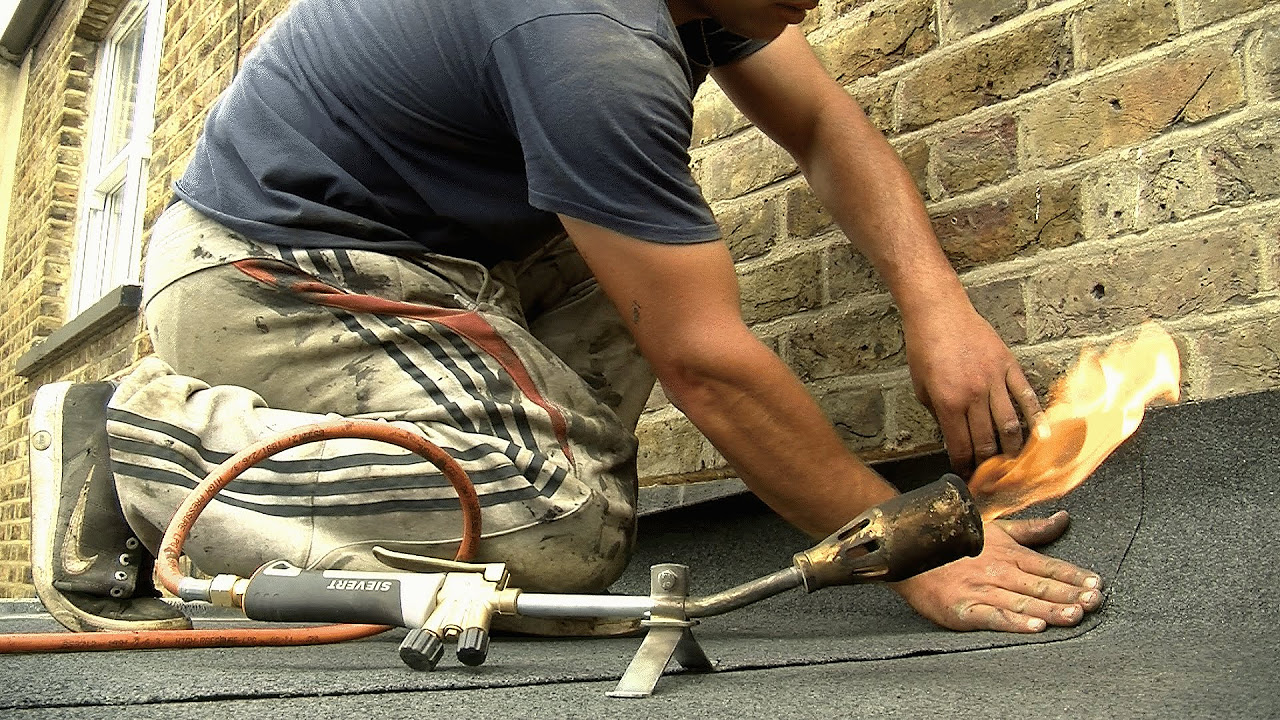
If you are uncertain, ask for clear explanations tied to what the contractor sees: where they think the water entered, what material is compromised, whether the damage appears localized or widespread, and whether the roof age and condition suggest repair or roof replacement.
For the final fix to hold, the water intrusion problem must be addressed at the source, and the repair or replacement must restore the system’s performance at details where leaks typically start.
A roof leak repair is not just a patch. It is the moment you either reinforce a system still capable of serving you for years, or you begin an aging roof replacement that protects the building envelope going forward. Either way, the right plan comes from inspection, honest assessment, and work done with the roof’s real materials and real details in mind, whether you are dealing with residential roof installation, asphalt shingle roofing, slate roof installation and repair, wood shake roofing, metal roof installation and repair, cedar shake roofing, tile roof installation and repair, flat roof installation and repair, or commercial roof installation and commercial roof repair across TPO roofing installation, EPDM commercial roofing, PVC roofing, modified bitumen roofing, and commercial metal roofing systems.